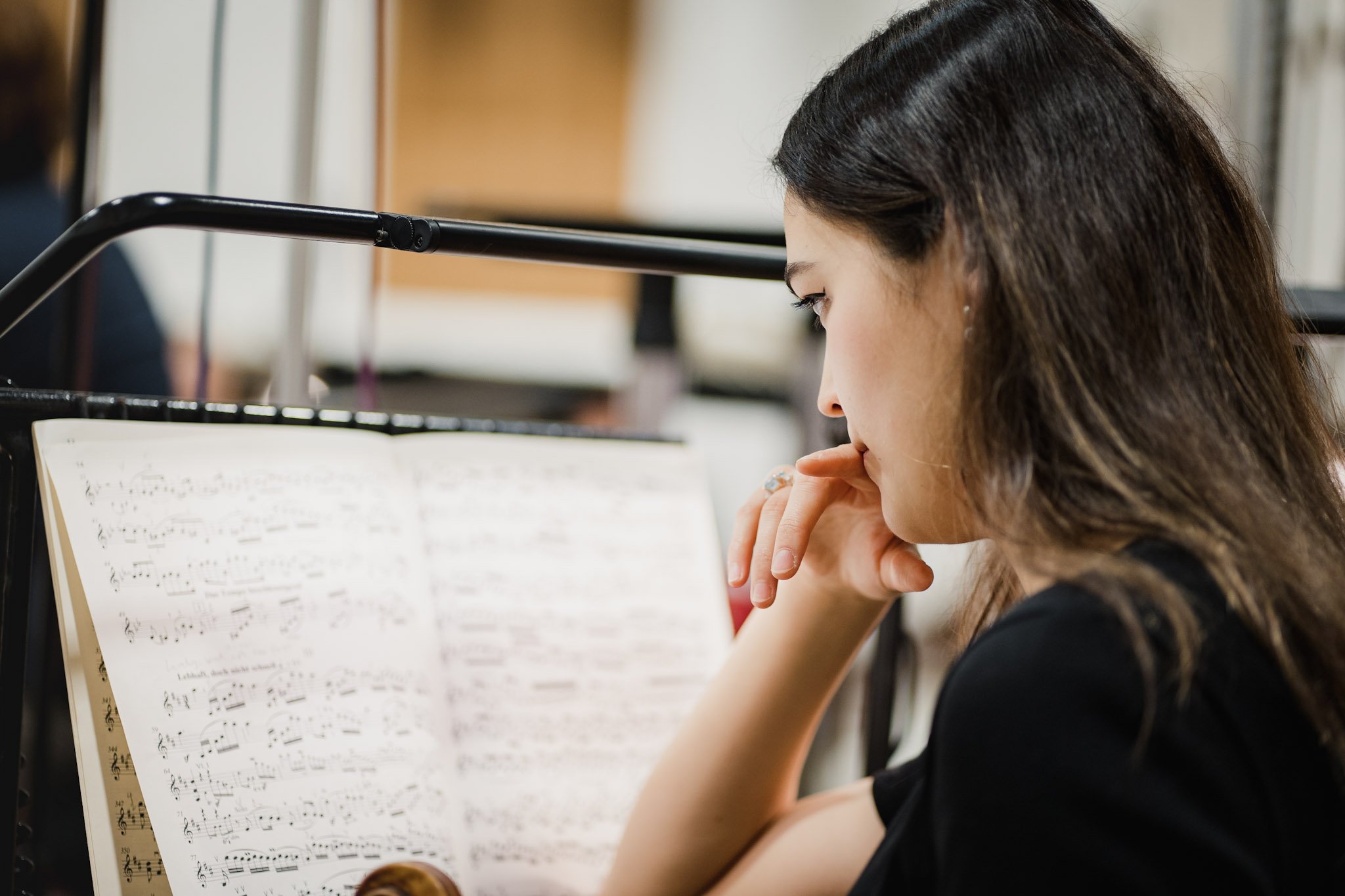
Photographing Classical Musicians in Paris: Beyond the Postcard
When people think of photographing in Paris, they immediately think of monuments. The Eiffel Tower, Notre-Dame, the glass pyramid at the Louvre.
For a portrait photographer working with classical musicians, these landmarks get in the way. A musician already brings their own history and presence to a frame; putting them in front of a famous monument turns them into a tourist holding an expensive prop.
The real character of Paris is quieter than that. It is found in the pale limestone along the narrow streets of Le Marais, the hard shadows under an arched courtyard, and the way afternoon light bounces between tall buildings. In a portrait, the city works best when it acts as background texture rather than a spectacle.
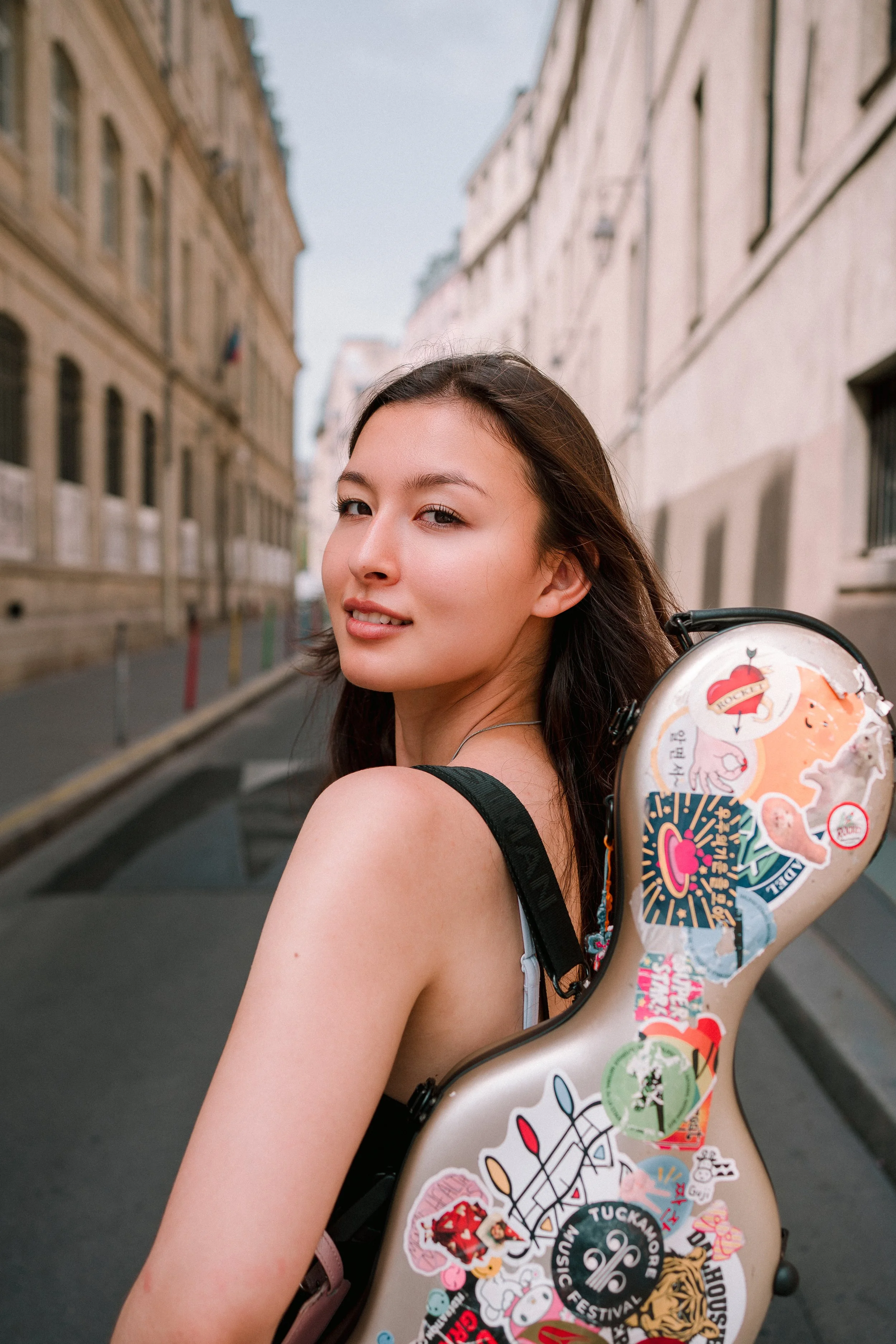
Claire Boudreau: Finding Stillness in the City
With Canadian violinist Claire Boudreau, the priority was finding quiet space. Claire’s playing carries precision and calm, with just the right hint of mischievousness and her visual identity needed to reflect that exact temperament.
Paris can be loud and visually crowded, but if you step just a block away from the main boulevards into the quieter side streets of Le Marais, the atmosphere shifts. The light diffuses softly against the walls, creating an even, natural palette.
We kept the session simple. No elaborate setups, just natural light and clean perspective lines. By keeping the background understated, the focus remains entirely on Claire, her posture, and her connection to the violin.
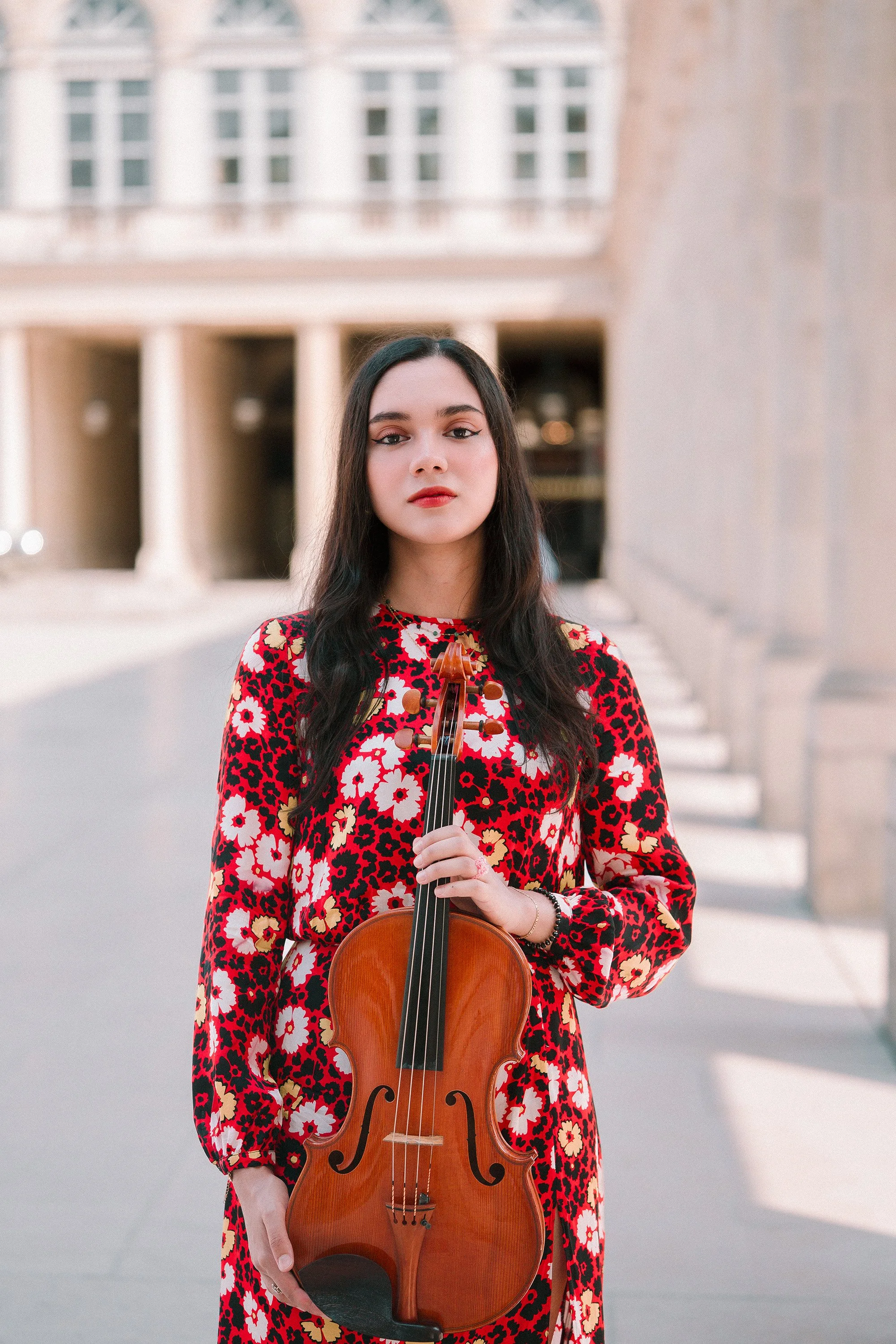
Cassandra Teissedre: Heat and Heavy Stone
I met French violist Cassandra Teissedre on a day when Paris was caught in a record heatwave. The air was heavy, dry, and completely still.
Cassandra is an exceptional violist, she moves between early music and modern, contemporary repertoire with a sharp, focused intensity. Carrying instruments through crowded squares in that kind of heat makes little sense, so we stayed close to the shade.
We worked around the colonnades of the Jardins du Palais-Royal and the older stone facades of the Louvre. Rather than stepping back to show the entire building, I used the severe, geometric lines of the historic masonry to frame her. The pale stone absorbed the harsh midsummer sun, giving us a neutral, timeless backdrop that let Cassandra’s contemporary presence stand out. The architecture supports the musician; it does not compete with her.
Framing a Musician’s Visual Identity
Building a visual identity for classical artists in a city like Paris isn't about collecting postcard backdrops. It is more about understanding how an artist plays, how they hold themselves, and finding an environment that matches that rhythm.
When you strip away the tourist landmarks, Paris becomes an ideal collaborator: insanely beautiful, textured, and timeless. And the light… oh the light in Paris is something else.
A portrait should look exactly like the music you play. I am based in London but frequently travel to Paris and across Europe to work with soloists and ensembles. If you are a classical musician looking to build an honest visual identity, get in touch to start the conversation.
Why artists shouldn't have to carry everything alone
Why many artists feel stuck despite working hard, and how outside perspective and creative direction bring clarity, momentum, and confidence without compromising independence.
Independent artists are used to carrying a lot.
You make the work. You practice, rehearse, perform. You organize your schedule. You handle communication, promotion, and visibility. And on top of that, you're expected to make every decision about how you show up publicly.
What to share. What to say. How to look. When to speak. When to stay quiet.
From the outside, this looks like independence. From the inside, it often feels like isolation.
The hidden weight of decision-making
Most artists don't struggle because they lack ideas. They struggle because they're alone with too many of them.
Every choice carries emotional weight:
If I post this, what does it say about me?
If I don't post, am I falling behind?
Is this aligned with my work, or distracting from it?
Am I being authentic, or am I performing again?
When there's no external perspective, these questions loop endlessly. Progress slows. Confidence erodes. Not because the artist is unsure of their craft, but because they're forced to hold every strategic decision in their own head.
That's a heavy role to play alongside making the work itself.
The value of an outside perspective
In music, interpretation rarely happens in a vacuum. You work with teachers, conductors, coaches, collaborators. Not because you can't play, but because perspective sharpens judgment. Creative direction works the same way.
An outside eye doesn't replace your voice. It helps you hear it more clearly.
When someone else helps frame decisions, set boundaries, define standards, and reduce unnecessary choices, momentum returns.
What felt overwhelming becomes manageable. What felt personal becomes practical. You stop second-guessing every move and start acting with intention.
Collaboration is not weakness
There's a quiet myth in the independent artist world that says: "If I need help, I'm not ready yet."
In reality, the opposite is usually true.
Seeking collaboration is often a sign that an artist is taking their work seriously enough to protect it.
Direction doesn't dilute independence. It supports it. It creates a structure where the artist can focus on what they do best, while someone else helps hold the wider picture. Decisions become lighter. Energy returns to the work.
The role of the director
A director doesn't tell you who to be. They help you see what's already there.
They hold the long view. They reduce noise. They help translate intention into action. Not by taking control, but by sharing the load.
Artists were never meant to carry everything alone. Not the craft. Not the identity. Not the visibility.
When responsibility is shared, clarity follows. And clarity is what allows serious work to continue.
Do you need a manager, a social media agency, or creative direction?
Artists often know they need support but aren’t sure what kind. A clear breakdown of when to hire a manager, a social media agency, or seek creative direction.
There comes a point in many artists' careers where the question isn't whether they need help, but what kind of help actually makes sense.
You're busy. Opportunities are appearing. Decisions are piling up.
And yet, asking for support can feel surprisingly difficult. Not because artists are resistant, but because the options are rarely explained clearly.
The manager
A manager's role is often misunderstood.
Managers aren't there to define who you are as an artist. They're there to represent you once that identity is already clear.
They help with:
Negotiating fees
Organizing opportunities
Filtering offers
Protecting your time
Managers become most valuable when there's already momentum. If your direction is still evolving, a manager may struggle to represent something that isn't fully formed yet.
The social media agency
Social media agencies are designed for execution.
They work best when:
The message is already clear
The tone is already defined
The visual language is already consistent
Most agencies can help you publish more efficiently, but they can't decide what should be said or why it matters. When direction is missing, outsourcing content often amplifies confusion rather than solving it.
Agencies are powerful tools. They're just not a substitute for clarity.
The gap most artists feel
Many artists reach a stage where:
They don't need management yet
An agency feels premature or misaligned
And doing everything alone is becoming exhausting
What's missing isn't labor. It's perspective.
Someone to help you:
Define what you're building
Make decisions lighter
Hold a consistent standard
Reduce second-guessing
This is often the quiet bottleneck in otherwise talented careers.
Creative direction as support
Creative direction isn't about control. It's about context.
A creative director helps you:
Articulate your identity
Translate your work into visuals and language
Create coherence across platforms
Make decisions once instead of repeatedly
It's support that sits upstream of execution.
Not replacing your voice, but helping it become clearer.
Choosing the right support at the right time
There's no universal path.
Some artists benefit from management early. Some thrive with agencies later. Some need space to clarify before involving anyone else.
The mistake isn't choosing the wrong option. It's choosing based on pressure instead of need.
Support should reduce friction, not introduce it.
A useful question to ask yourself
Instead of asking, "Who should I hire?", try asking:
What feels heaviest right now?
Is it admin and negotiation?
Is it content production and scheduling?
Or is it knowing how you want to be seen in the first place?
The answer usually points to the right kind of help.
The long view
As careers grow, support often changes shape. What matters most is not speed, but alignment. When the right support arrives at the right moment, it doesn't feel like a dependency. It feels like relief.
And that's usually how you know it's working.
Decision Fatigue: Why Artists Feel Stuck Before They Even Begin
Why talented artists struggle to show up online. How too many choices quietly drain energy, confidence, and momentum.
Many artists don't struggle with motivation. They struggle with starting.
Not because they don't care. Not because they lack ideas. But because every small action demands too many decisions.
Before a single post goes live, the internal questions begin.
Is this worth sharing? Is this on brand? Is this too much? Not enough? Is this how I want to be seen?
By the time the answers arrive, the energy is gone.
The invisible drain
Decision fatigue isn't dramatic. It's quiet. It doesn't announce itself as burnout or anxiety. It shows up as hesitation. Delay. Avoidance.
Artists open their phone, scroll for a few seconds, and close the app again. Not because they're uninterested, but because the cost of deciding feels higher than the reward of posting.
When this happens repeatedly, momentum dies before it ever forms.
Why artists are especially vulnerable
Artists are trained to care deeply. Every choice feels expressive. Every decision feels loaded. Every public action feels like a statement.
That sensitivity is a strength in the work itself. But without structure, it becomes a liability when applied to visibility.
When everything matters, nothing moves.
More options don't create freedom
It's tempting to believe that flexibility equals freedom. In reality, too many options often create paralysis.
When there's no defined visual language, every image becomes a debate. When there's no clear tone, every caption feels risky. When there's no rhythm, every post feels like an interruption.
Choice without direction doesn't empower. It exhausts.
Direction reduces friction
In music, interpretation doesn't come from infinite possibilities. It comes from constraint. Tempo, dynamics, phrasing: boundaries that allow expression to happen.
Visibility works the same way.
When key decisions are made once, in advance, the day-to-day becomes lighter. You're no longer deciding who you are every time you post. You're simply continuing a conversation you've already defined.
The difference between stuck and still
From the outside, decision fatigue can look like inactivity. But internally, it feels very different.
Artists aren't doing nothing. They're holding too much. Clarity isn't about adding pressure. It's about removing unnecessary decisions.
When direction exists, action follows naturally.
Momentum is designed
The artists who show up consistently aren't more confident. They're less burdened.
They've reduced the number of questions they have to answer. They've simplified their visual and emotional landscape. They've accepted that coherence matters more than perfection.
Momentum doesn't come from willpower. It comes from design.
A quieter way forward
If you feel stuck before you even begin, it's not a personal failure. It's a signal.
Something in the system is asking too much of you. The solution isn't to push harder. It's to decide less.
When the noise quiets, movement becomes possible again.
Clarity. Presence. Sustainability. I work with serious artists to build a visual identity that honors their craft without feeling like a performance. If you are ready for a continuous creative partnership, applications are open for the Creative Identity Membership.
The Identity Drift Problem
Many artists feel their online presence doesn’t reflect who they really are. This article explores identity drift, why it happens, and how to realign visibility with artistic intent.
Many artists look at their online presence and feel a quiet discomfort.
Nothing is obviously wrong. The images are fine. The captions are thoughtful. The work is good.
And yet, something feels off.
It doesn't quite sound like you. It doesn't quite look like you. It doesn't feel like the person you recognize in the practice room or on stage.
This feeling is more common than people admit.
How identity drift begins
Identity drift rarely happens suddenly. It begins with small, reasonable decisions.
You post what feels safe. You imitate what seems to work for others. You adjust your tone slightly to fit expectations. You simplify parts of yourself to avoid confusion.
None of these choices are wrong on their own but over time, they add up.
Your online presence slowly shifts from expression to obligation. From intention to approximation. From clarity to compromise.
Eventually, you're left maintaining something that looks professional but no longer feels personal.
Why performance can hide the problem
Highly trained artists are particularly good at masking discomfort. They know how to perform. They know how to present. They know how to meet expectations. So even when something feels misaligned, they can make it work.
The problem is that performance is exhausting when it isn't anchored in identity.
You can keep showing up, but it starts to cost more energy than it gives back. Posting becomes heavier. Decisions take longer. Visibility starts to feel like a role you're playing rather than a space you inhabit.
That's often when artists disappear for a while, not because they lack commitment, but because the distance between who they are and how they appear has grown too wide.
Identity is not a brand statement
When people talk about "branding," artists often recoil. It sounds rigid. Artificial. Like something imposed from the outside.
But identity isn't something you invent. It's something you recognise and articulate.
It lives in:
How you approach the work
What you care about deeply
What you return to again and again
What you refuse to compromise on
What you enjoying doing when you’re not working
When that identity isn't defined, your online presence becomes a collection of moments rather than a coherent expression.
Realignment over reinvention
The solution to identity drift is rarely a rebrand. It's a realignment.
That might mean:
Archiving content that no longer fits
Choosing one visual tone and committing to it
Simplifying what you share rather than expanding it
Letting go of formats that feel performative
Clarity often comes from subtraction, not addition.
When identity is clear, decisions become lighter. You stop asking whether something will "work" and start asking whether it belongs.
When presence feels like home again
The goal isn't to create a perfect online persona. It's to reach a point where your presence feels familiar. Where what you share feels connected to the person doing the work.
When that happens, visibility stops draining you. It supports you.
You don't feel the need to disappear. You don't feel the need to constantly explain yourself. You don't feel split between the artist you are and the one you show.
You simply show up as one person, consistently, over time.
And that quiet coherence is what people respond to most.
Clarity. Presence. Sustainability. I work with serious artists to build a visual identity that honors their craft without feeling like a performance. If you are ready for a continuous creative partnership, applications are open for the Creative Identity Membership.
Why "post more" is bad advice for artists
Why posting more isn’t the solution for serious artists. How clarity, rhythm, and identity create sustainable visibility without burnout.
In recent years, one piece of advice has been repeated so often it's started to sound like a rule:
Post more.
If your growth is slow, post more. If engagement drops, post more. If you feel invisible, post more.
For many artists, especially in the classical and contemporary music worlds, this advice doesn't inspire action. It creates exhaustion.
Not because artists lack discipline. But because the advice misunderstands the problem.
The myth of volume
Most serious artists are already doing a lot. They practise for hours. They rehearse. They teach. They perform. They travel.
When someone tells them they also need to "post every day," it doesn't feel motivating. It feels like another demand layered on top of an already full life.
The issue isn't effort. It's direction. Posting more without clarity doesn't create momentum. It creates friction.
Why consistency fails without identity
When artists struggle to be consistent online, it's rarely because they don't care. It's because every post requires too many decisions.
What do I say? What tone should I use? Does this fit with what I shared last week? Is this professional enough? Is this too personal?
Without a clear sense of identity, each post feels like a fresh negotiation. Over time, that mental load becomes heavier than the act of posting itself.
So people pause. They skip a week. Then a month. Then they feel guilty for disappearing.
Consistency breaks not because of laziness, but because nothing is holding it together.
Rhythm beats frequency
In music, consistency isn't about playing more notes. It's about rhythm.
A steady tempo allows expression to breathe. Too much intensity, played without structure, becomes noise.
The same is true for visibility.
Consistency online doesn't come from volume. It comes from a rhythm you can sustain.
That rhythm might be:
One considered post a week
A short reflection around performances
A recurring visual format that removes decision-making
The goal isn't to say more. It's to remove resistance.
Burnout is a signal, not a failure
When artists feel burnt out by social media, it's often framed as a personal weakness.
In reality, burnout is information.
It tells you that the expectations are unclear, the standards are shifting, or the system doesn't fit your life.
Pushing harder inside a broken structure rarely fixes the problem. It usually deepens the frustration.
What's needed isn't motivation. It's alignment.
Sustainable visibility is designed, not forced
When identity is clear, consistency becomes lighter.
You're no longer asking, "What should I post?" You're asking, "What fits?"
When the visual language is defined, images don't feel random. When the tone is set, writing feels natural. When the rhythm is realistic, showing up stops feeling like a test.
Consistency stops being a performance. It becomes a byproduct of clarity.
The long view
Serious artistic careers aren't built through constant output. They're built through sustained presence.
Quietly. Repeatedly. Without burning everything down in the process.
If showing up online feels heavy, the answer is rarely to push harder. More often, it's to step back and ask:
What would consistency look like if it actually respected the way I work?
That question changes everything.
Clarity. Presence. Sustainability. I work with serious artists to build a visual identity that honors their craft without feeling like a performance. If you are ready for a continuous creative partnership, applications are open for the Creative Identity Membership.
Visual gravitas: translating sound into sight
In the classical world, the "Headshot" is a utility. It is something you attach to a bio for a concert program. It says: "I play the violin, and I own a concert dress."
In the classical world, the headshot is a utility.
It's something you attach to a bio or a concert programme. It says: "I play the violin, and I own a concert dress."
But does it say anything about how you play?
Does it carry the tension of a Bartók quartet, or the fragility of a Debussy prelude?
Most of the time, it doesn't.

Visual identity is built through intention, not decoration.
Beyond the headshot
As a photographer working closely with musicians, I believe your visuals should carry the same weight as your repertoire.
The same intention. The same depth. The same gravitas.
This isn't about looking dramatic. It's about speaking a visual language that matches your identity.
Visual language, not aesthetics
Just as interpretation is built through deliberate musical choices, visual identity is built through intention, not decoration.
Light: Dynamics shape a phrase. Light shapes a face. Deep shadows can suggest introspection. Softer light can suggest openness or vulnerability.
Texture: A clean studio backdrop feels neutral, even corporate. A textured, real environment feels lived-in, human, specific. It’s a direct peak into your personality. You didn’t pick that environment by mistake.
Subtext: The most compelling images aren't the ones that smile on command. They're the ones that leave space for interpretation.
Respecting the audience
Your audience is intelligent. They listen to complex music. They understand nuance.
Trying to make your visual presence "accessible" by flattening it often does the opposite, it makes you forgettable.
Depth attracts depth.
When your visuals carry the same attention to detail as your work, they don't alienate people. They signal trust, confidence, and intention to the people who matter most.
Clarity. Presence. Sustainability. I work with serious artists to build a visual identity that honors their craft without feeling like a performance. If you are ready for a continuous creative partnership, applications are open for the Creative Identity Membership.
The Fear of Being "Fake"
If there is one thing I hear most from the classical and independent artists I photograph, it is this: "I know I need to be visible, but I don't want to be an influencer."
If there's one thing I hear most from classical and independent artists, it's this:
"I know I need to be visible, but I don't want to be an influencer."
You've spent years refining your technique. Your relationship to your craft is serious, considered. The idea of pointing at text on a screen, showing off your outfit of the day and your fashion sense or chasing trends feels like a betrayal of that work.
You value dignity. You value depth.
That hesitation makes sense.

The modern artist's dilemma: the need to be seen versus the need to protect your private self. Remember that visibility is mandatory, but access is optional. You get to decide what stays under the umbrella.
Content vs communication
The problem isn’t visibility. The problem is trying to copy a model that wasn’t built for you. You’re not a lifestyle vlogger. You’re an artist.
Influencers sell a lifestyle as the product. Artists share a perspective shaped by their work.
That doesn’t mean your life has to disappear.
Your interests, routines, and passions don’t dilute your artistry when they’re shared in context. They deepen it. The mistake is assuming that anything beyond the work itself is a betrayal of seriousness.
Some of the most respected artists are recognised not just for what they play, but for how they see the world.
What actually resonates
Through my Five Minute Coffee & a Portrait series, I’ve seen this play out again and again.
The most powerful content isn’t gimmicky, it isn’t loud and it isn’t overproduced.
It’s a quiet portrait, a genuine laugh, a conversation about what matters to you outside the instrument.
Cooking. Fashion. Film. A long walk. A favourite café.
When these moments appear naturally, as part of a conversation rather than a performance, sharing them doesn’t feel like “posting”. It feels like being present.
That kind of visibility doesn’t cheapen the work. It deepens the connection with the audience.
Identity over trends
You don’t need to chase the algorithm. You need to define your identity.
What shapes how you approach the work?
What stays with you between performances?
What do you return to when no one is watching?
When your visibility comes from that place, it stops feeling fake.
You’re not performing online. You’re allowing the work and the person behind it to be seen together.
Clarity. Presence. Sustainability. I work with serious artists to build a visual identity that honors their craft without feeling like a performance. If you are ready for a continuous creative partnership, applications are open for the Creative Identity Membership.
Structure Is Not the Enemy of Art
Many highly skilled musicians view "career planning" or "marketing strategy" with suspicion. It feels corporate. Restrictive. Like something that might dilute the art itself.
Many highly skilled musicians view "career planning" or "marketing strategy" with suspicion. It feels corporate. Restrictive. Like something that might dilute the art itself.
That reaction makes sense.
But look at your own craft. A concerto has a structure. A sonata has a form. A time signature doesn't restrict expression, it makes expression possible.
Structure isn't the opposite of freedom. It's the condition for it.

You cannot build anything lasting without a foundation. Structure isn't a cage for your creativity; it is the temple that houses it.
The hidden cost of no structure
When there's no underlying plan for your career, something subtle happens.
You wake up knowing you "should" post something, but not what. You overthink every image because nothing feels coherent. You delay, delete drafts, disappear for weeks, then scramble to post something before a concert.
None of that comes from laziness or lack of ideas. It comes from carrying too many decisions alone.
Without a release timeline, a visual direction, or a clear rhythm to follow, you end up spending more mental energy on deciding than on creating. That's not artistic freedom. That's friction.
The scaffolding principle
Your career needs the same structural integrity as your music. Not a rigid plan. Not a content machine. But a framework you can rely on. A score.
Once the framework exists, you stop reinventing the wheel every time you sit down to post. The anxiety drops. Your attention goes back where it belongs: into the work itself.
Where my approach comes in
This is where my dual background matters.
I use project management principles to design the score for an artist's career, not to control it, but to support it.
We define a few simple constraints:
The visual tone
When images are created
How they serve the music and the moment
Once those decisions are made once, you're free to inhabit them.
You can be emotional, cinematic, raw, because the technical foundation is already holding you.
Structure doesn't kill the soul. It protects it.
Clarity. Presence. Sustainability. I work with serious artists to build a visual identity that honors their craft without feeling like a performance. If you are ready for a continuous creative partnership, applications are open for the Creative Identity Membership.
Why the “One Big Photoshoot” model fails serious artists
In the classical and jazz world, we're trained for the big moment. Months of practice distilled into a one-hour recital. Years of preparation converging on a single audition or competition.
In the classical and jazz world, we're trained for the big moment. Months of practice distilled into a one-hour recital. Years of preparation converging on a single audition or competition.
So it makes sense that many musicians approach photography the same way.
They save up. They wait for the "right time." They book one high-pressure photoshoot and expect it to carry their entire visual identity for the year—sometimes longer.
It's the same mentality that got them through conservatoire. And in many ways, it's served them well.
But photography doesn't work like performance. It works like practice.

Pianist Ayane Nakajima
The problem with the recital mindset
When a photoshoot is treated like a recital, something subtle happens. The stakes feel high. Artists tense up. The concert face appears, the one they've learned to wear on stage, the one that projects control and composure.
The result is often technically impeccable: sharp, well-lit, dignified.
And emotionally distant.
It shows the professional, but not the person. The role, but not the human behind it.
That gap matters more than most people realise. Because audiences, whether they're scrolling Instagram, reading a bio, or choosing which concert to attend, don't connect to perfection. They connect to presence. To the sense that there's a real, grounded human being behind the instrument.
From performance to practice
My background as a senior project manager taught me that consistency beats intensity. Small, regular actions compound into meaningful change far more reliably than one-off heroic efforts.
But working closely with artists over the years has taught me something deeper:
Relaxation is where identity reveals itself.
The version of you that exists between rehearsal, the one your friends or colleagues recognise instantly, the one that feels most like you, that's the version audiences are instinctively drawn to. And that's the version that only emerges when the pressure to perform perfectly is removed.
As a creative identity director, I encourage artists to think about their visual presence the way they already think about their practice: as something ongoing, adaptive, and alive.
Small, regular sessions. Lower stakes. Room to experiment, adjust, breathe, and evolve over time.
When the weight of the "big day" dissolves, the stiffness dissolves with it. What remains is clarity. And clarity is what makes everything else: your social media presence, your website, your press materials, all finally feel coherent.
That's the version worth documenting.
If you want help turning this into a clear visual identity and a repeatable content rhythm, I’m building the Creative Identity Membership for artists. You can read the details here.

Videography for Studio Recording and Classical Musicians in London: Capturing Music in Its Purest Form
In today’s digital-first world, musicians are no longer judged solely by their sound they are also defined by how their art is seen. For classical musicians, video is no longer optional. Whether it’s for a studio recording, a competition entry, or a promotional reel, professional videography can make the difference between blending into the crowd and standing out.
In today’s digital-first world, musicians are no longer judged solely by their sound—they are also defined by how their art is seen. For classical musicians, video is no longer optional. Whether it’s for a studio recording, a competition entry, or a promotional reel, professional videography can make the difference between blending into the crowd and standing out.
Why Videography Matters for Classical Musicians
Unlike pop or rock artists, classical musicians often perform in intimate settings—studios, recital halls, rehearsal spaces—where every detail counts. A well-produced video not only documents the music but also translates the emotion, discipline, and artistry into a visual form that audiences, agents, and promoters can connect with instantly.
Benefits of Professional Videography in Studio Recording
Showcase your artistry authentically – capture subtle bow movements, phrasing, and dynamics that audio alone can’t convey.
Create audition-ready material – many competitions, orchestras, and festivals now require video submissions.
Build your brand – high-quality content for social media, websites, and press kits sets you apart from amateurs.
Preserve your best performances – studio sessions are often peak moments of preparation; video ensures they live beyond the room.
Key Elements of Videography for Classical Studio Sessions
Camera Angles That Tell a Story
Wide shots establish the atmosphere of the studio.
Close-ups capture emotion in the musician’s expression.
Instrument-focused angles show the technical artistry (fingers on piano keys, bow on strings).
Over-the-shoulder shots place the viewer in the performer’s perspective.
Sound and Synchronisation
In classical videography, audio quality is as important as the visuals. Professional setups often involve multi-microphone recording, soundproofing, and post-production mixing, perfectly synchronised with video footage.
Style and Aesthetic
Every musician has a voice—not just musically, but visually. Some prefer a documentary-style session video, others want a cinematic narrative that reflects their personality. A skilled videographer adapts to both.
The Power of Storytelling in Classical Music Videos
A studio recording doesn’t have to be static. By blending cinematic visuals with authentic performance, videography can transform a recording session into a story—a narrative of dedication, mastery, and passion. Audiences don’t just hear the music, they feel it.
Videography for Classical Musicians in London
If you are a classical musician in London, you are in one of the world’s richest cultural capitals—home to Abbey Road Studios, the Royal College of Music, and countless independent ensembles. Competition is fierce, and high-quality videography can help you stand out in auditions, recordings, and on social media. Working with a professional videographer who understands both the London classical music scene and the unique demands of studio recording ensures your artistry is captured with elegance, precision, and cinematic impact.

Fashion and Editorial Photography for Classical Musicians: Embracing Your Artistic Identity
Classical musicians often hesitate when they hear terms like "fashion" or "editorial photography," associating these styles exclusively with runway models or high-fashion magazines. But this perception couldn't be further from the truth.

Classical musicians often hesitate when they hear terms like "fashion" or "editorial photography," associating these styles exclusively with runway models or high-fashion magazines. But this perception couldn't be further from the truth. Fashion and editorial photography aren't about changing who you are—they're about enhancing and visually expressing your unique artistic identity.
When done thoughtfully, fashion-forward photography can help classical musicians communicate their story beyond notes and performances. It's a visual language that celebrates your individuality, style, and creative spirit, offering your audience a deeper connection with you as both an artist and a person.
From dramatic portraits to elegant and contemporary editorial shoots, embracing fashion photography allows classical musicians to break traditional barriers, attract new audiences, and express their personality in a way that resonates authentically. This style of photography isn’t about vanity, it’s about visibility and artistic storytelling.
As a musician, you’ve already mastered the art of expression through sound. Now imagine translating that same depth and emotion into compelling visuals. Whether you're launching an album, building your personal brand, or simply enhancing your online presence, fashion and editorial-style photography can elevate your profile, broaden your reach, and connect you with audiences on an entirely new level.
Don't shy away from stepping into this creative spotlight. Your artistry deserves to be seen, understood, and celebrated through powerful imagery. Afterall, today’s most popular classical violinist have understood it. Think Esther Abrami, Chloe Trevor, Drew Alexander Forde, Anastasia Mazurok, Alice Sara Ott and Tiffany Poon.
Ready to explore how fashion and editorial photography can authentically amplify your presence as a classical musician? Let’s connect and start telling your visual story today.


Documenting Tattoo Artists: Visual Storytelling Beyond the Needle
You don’t need to shout, you just need to be real.
Tattoo artists are storytellers. Every line, every shade, every piece of ink holds a narrative, not just for the wearer but also for the creator.
You don’t need to shout, you just need to be real.
Tattoo artists are storytellers. Every line, every shade, every piece of ink holds a narrative, not just for the wearer but also for the creator. Yet, in a content-saturated digital landscape, talent alone isn't enough. Standing out demands visibility and, crucially, authenticity.
I recently launched a video series featuring Paola Fay, an exceptional tattoo artist whose work is both intentional and captivating. However, what truly drew me to Paola wasn't just her impressive artwork but the humanity behind it—the challenges, personal growth, resilience, and the quiet pride of creating art that becomes a permanent part of someone’s life.
Our first episode, released just days ago, dives into Paola's journey: how she started, what tattooing signifies for her, and what she cherishes most about her craft. No exaggerated hype. No artificial narratives. Just pure honesty.
And that authenticity is precisely the point.
Audiences aren't merely interested in what you do; they seek to understand who you are. They want to grasp what drives you and why your work is significant. Building a genuine, raw connection is the foundation of lasting trust.
Too often, creatives are advised to amplify their presence online by posting louder and faster. But volume doesn't resonate—authentic stories do.
For tattoo artists, effective marketing shouldn't compromise your integrity. It should simply showcase the real person behind the tattoo machine, allow your passion to speak, and share why you remain devoted to your art.
That's the kind of storytelling people remember and trust.
If you're a tattoo artist —or any creative professional—seeking to authentically engage your audience without sacrificing your essence, let's talk. Your story deserves to be shared—and shared right.

What a boxer taught me about creative confidence
“I try to remember that I’ve trained for this hard enough”, what a fighter taught me about creative confidence
I was recently shooting a night of boxing fights for Fighter Fit in Shoreditch and worked with one of the Fighter, Keiya, to create a short documentary style video about his fight and why he decided to jump in the ring.

“I try to remember that I’ve trained for this hard enough”, what a fighter taught me about creative confidence
I was recently shooting a night of boxing fights for Fighter Fit in Shoreditch and worked with one of the Fighter, Keiya, to create a short documentary style video about his fight and why he decided to jump in the ring.
After his fight, he said something that’s stayed with me since: “I try to remember that I’ve trained for this hard enough.”
It hit me harder than I expected because I know that feeling.
Not in the ring, but in the moments before hitting publish. Before pitching myself. Before directing a shoot that pushes me beyond my comfort zone. Before taking any leap where doubt shows up uninvited.
As creatives, we often forget how much we've already invested in ourselves. We don’t give enough credit to the hours spent learning, failing, refining, experimenting. We downplay our preparation because the imposter voice gets louder just as we’re about to step into the arena.
But we have trained for this. And most of us hard enough!
Years of project management taught me to build structure out of chaos. Years behind the lens trained my eye to capture stories that speak before I do.
Rejections, pivots, hard clients, tight budgets: they were all part of the training.
And just like Keiya, it’s not about eliminating fear. It’s about choosing to trust the work you’ve put in, even when the outcome is uncertain.
Courage isn’t about certainty. It’s about trusting your preparation.
To anyone doubting whether they’re ready, maybe you are. Maybe you’ve trained harder than you realise. Step in.
——
Want to tell your story beyond the ring?
Whether you're a fighter, fitness coach, or influencer pushing your limits, your journey deserves to be seen. I create cinematic portraits and short-form reels that go beyond aesthetics to capture discipline, drive, and the moments in between.
Let’s create visuals that hit harder than words.
DM on instagram me or get in touch here to book a shoot tailored to your brand, your fight, and your voice.


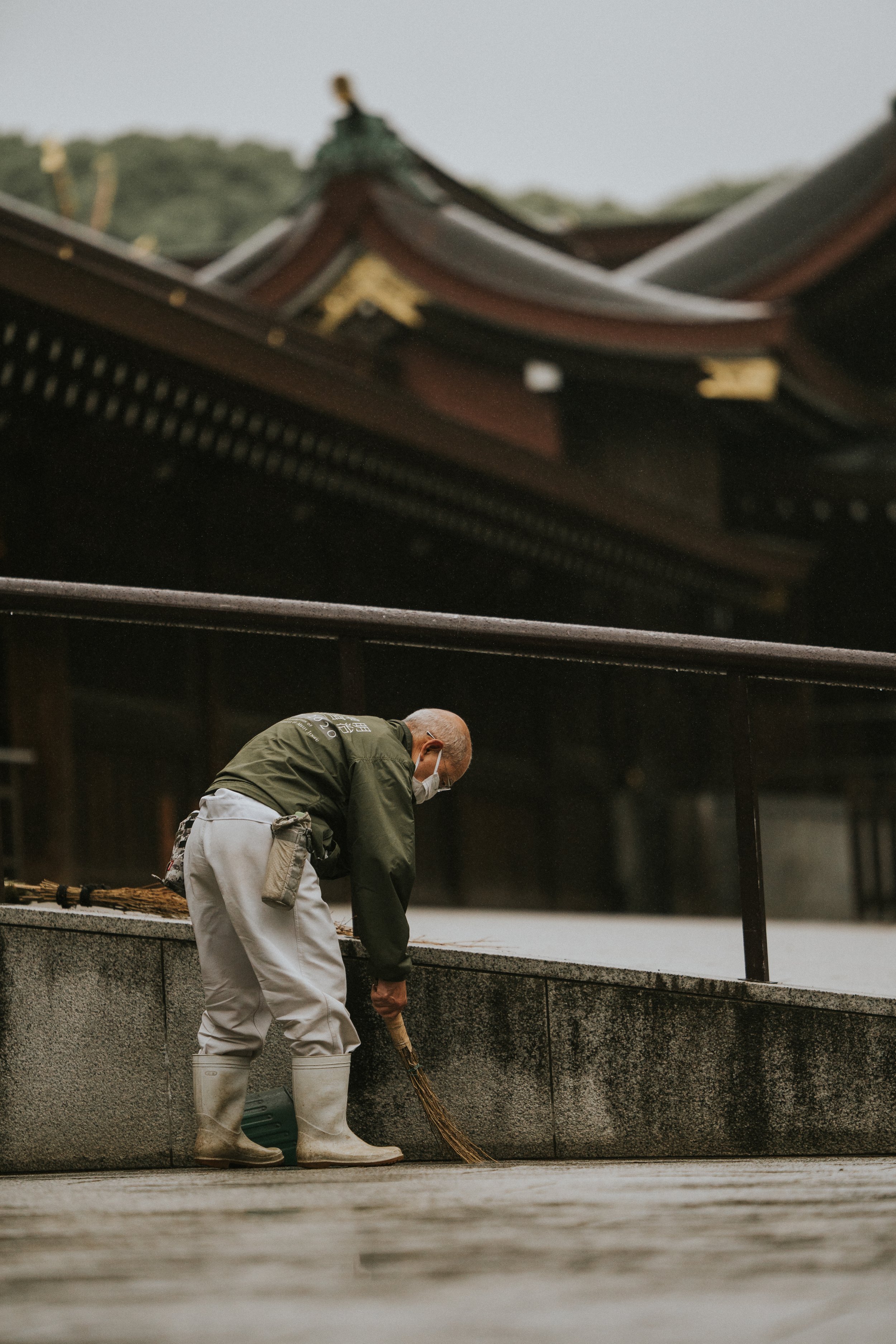
Why Japan Keeps Calling Me Back
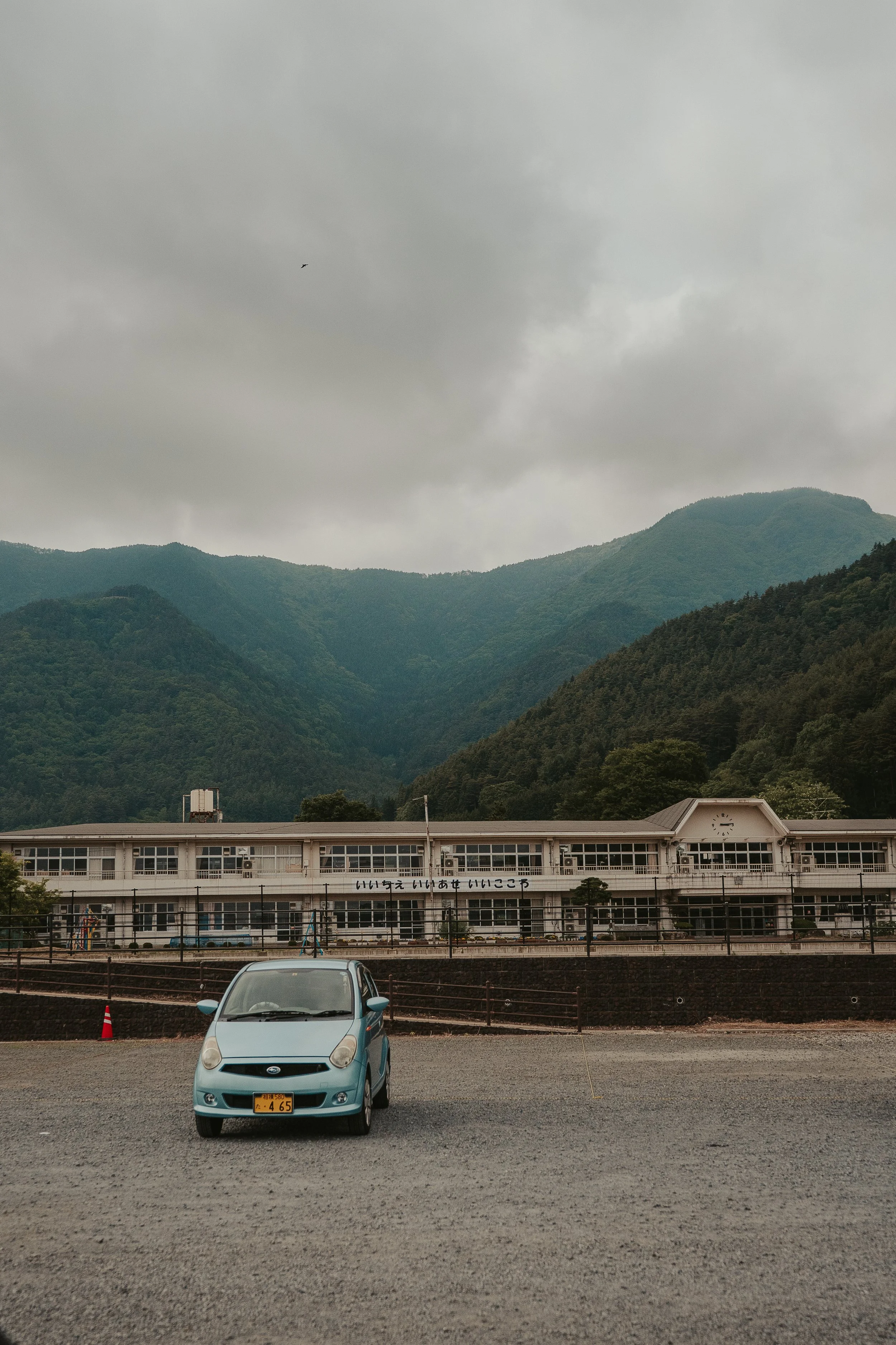
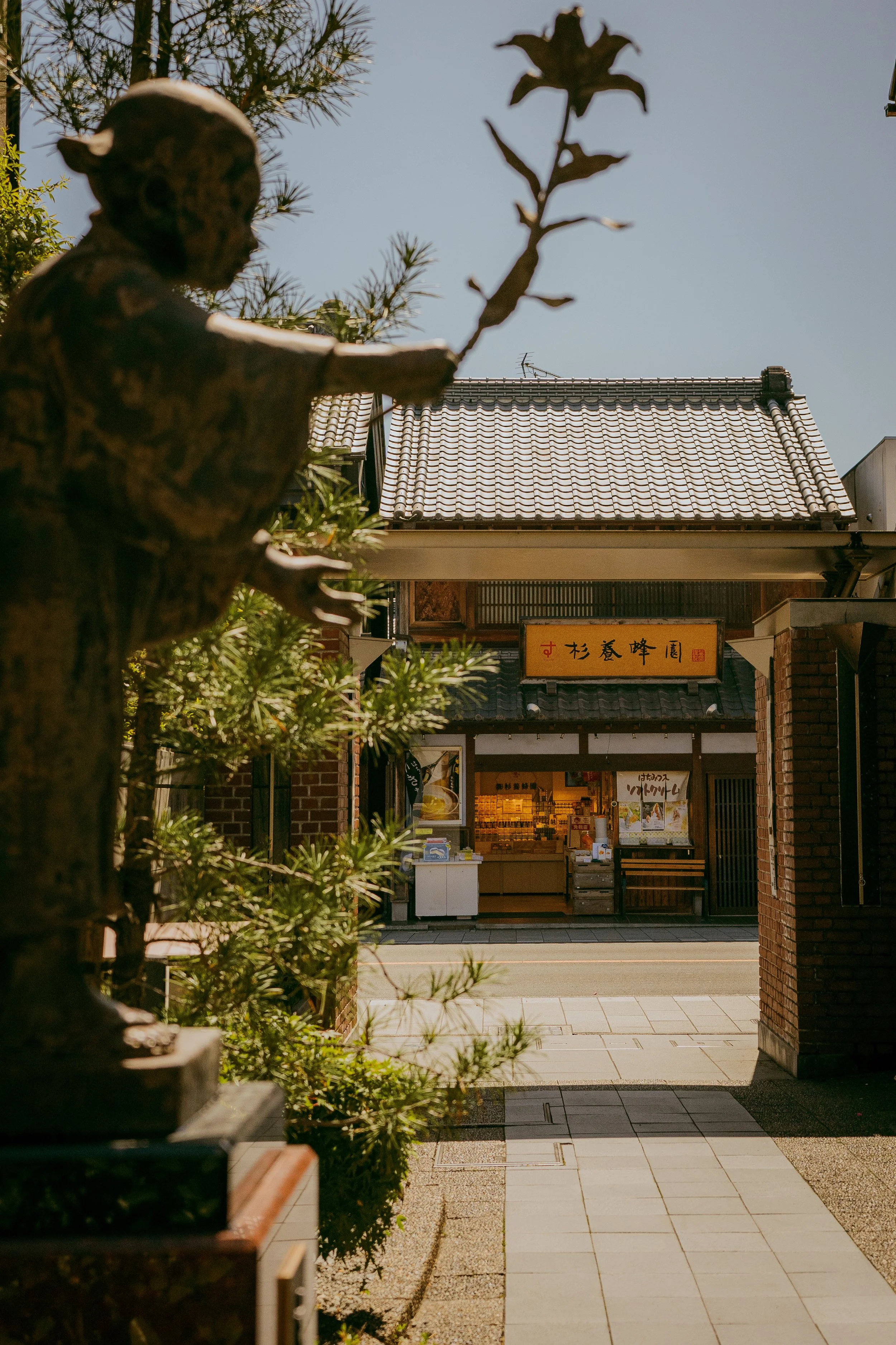
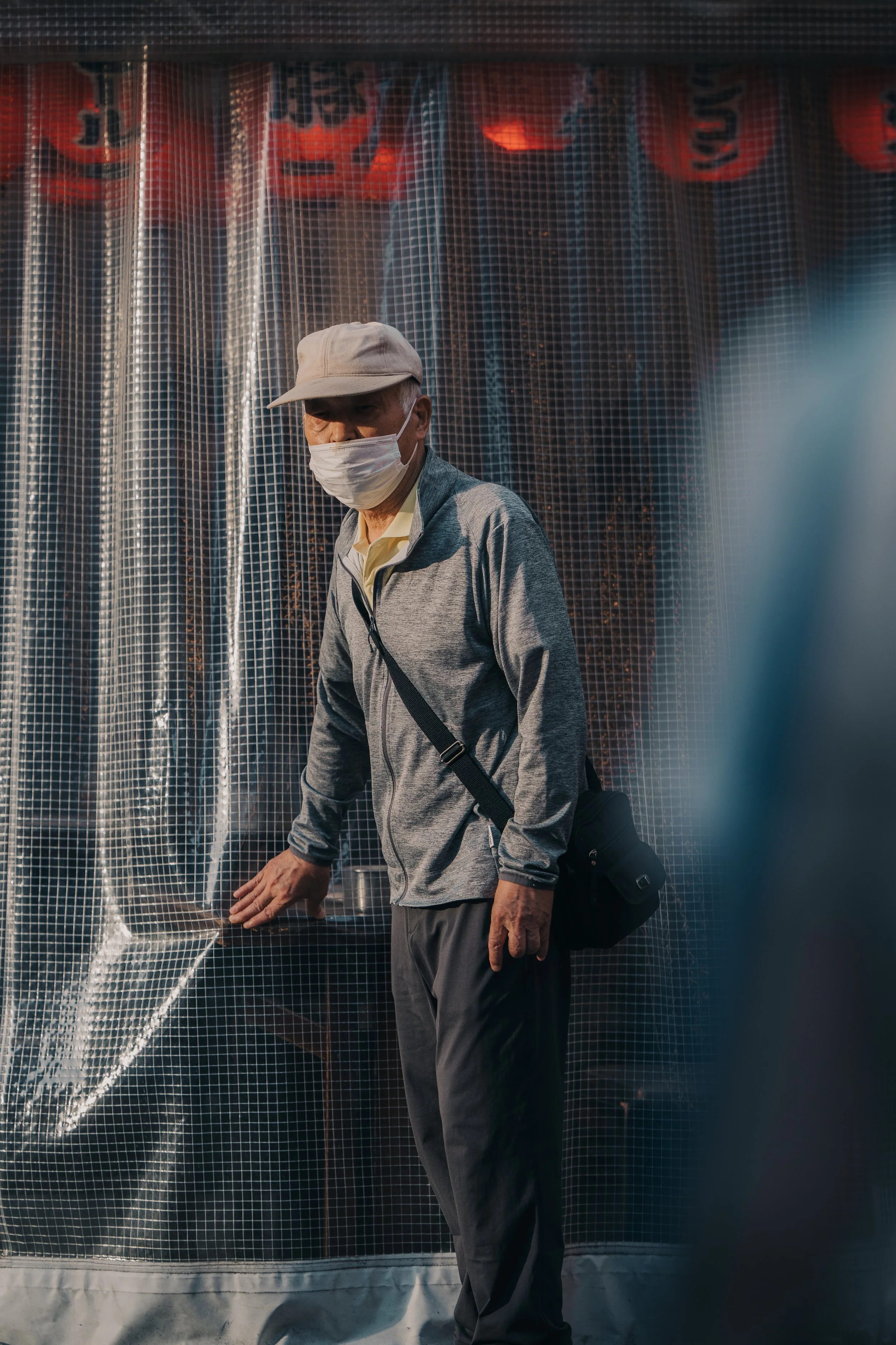
There are places that stay with you long after you leave. For me, that place is Japan.
It’s hard to explain exactly when the fascination started. I was always immersed in Japanese culture, my childhood best friend is Japanese and so I spent a lot of time with his family. I grew up in the manga and anime boom era in the 90s, Dragon Ball and then later Pokémon, maybe that played a role into that. But it’s the wider culture and philosophy of living that always fascinated me.

As a photographer, I’m always chasing emotion, not just what something looks like, but how it feels. And Japan is full of feelings. Stillness. Transience. Precision. Beauty.
It is a country that seems designed with the photographer in mind and not because it tries to be, but because it simply is. It offers a rhythm, a mood, and a visual language that quietly draws you in.
Here is a selection of my favourite shots from my last 2 trips.










Capture Your London Adventure: Professional Photography for Tourists
London is a city that seamlessly blends centuries of history with modern-day charm. From iconic landmarks like Big Ben and the London Eye to the cozy corners of Covent Garden, there’s no shortage of breathtaking moments here. But how often do those moments end up as blurry selfies or rushed snapshots? Let’s not forget how it can create tension when your partner completely miss the shots. That’s where I come in. I’m here to help you turn your London adventure into a collection of beautiful, meaningful photographs you’ll want to revisit forever.
London is a city that seamlessly blends centuries of history with modern-day charm. From iconic landmarks like Big Ben and the London Eye to the cozy corners of Covent Garden, there’s no shortage of breathtaking moments here. But how often do those moments end up as blurry selfies or rushed snapshots? Let’s not forget how it can create tension when your partner completely miss the shots. That’s where I come in. I’m here to help you turn your London adventure into a collection of beautiful, meaningful photographs you’ll want to revisit forever.

Why Hire a Professional Photographer for Your London Trip?
Think about it: You’re exploring London, soaking in its energy and sights, and instead of fumbling with your phone or asking strangers to take rushed photos, you can just enjoy the experience. With me as your personal photographer, you’ll get to live in the moment while knowing that every memory is being expertly captured.
This isn’t just about getting “better pictures.” It’s about preserving how you felt during your trip—the excitement of seeing Tower Bridge for the first time, the peaceful charm of Neal’s Yard, or the timeless beauty of a walk through Hyde Park. These moments deserve more than quick, forgettable snaps. They deserve to be turned into keepsakes that tell the story of your journey.
What’s Included in Your London Photography Session
Every session is completely customised to fit you. Before we get started, we’ll chat about your goals—maybe you want those must-have shots at London’s most famous landmarks, or perhaps you’re more drawn to exploring hidden gems that feel uniquely yours. Whatever your vision, I’ll create a plan that matches your style, schedule, and the vibe of your trip.
When it’s time to shoot, my priority is making you feel completely at ease. Whether you’re traveling alone, as a couple, or with a group, I’ll guide you through poses and candid moments so the photos feel natural and reflect your personality. Afterward, I’ll handpick the best images (no strict limit here), professionally edit them, and deliver them in a secure online gallery within a week. You’ll be able to share, print, or save them however you like!

Hyde Park Corner
London Through the Lens: Stunning Backdrops for Your Photos
London is a photographer’s dream, offering a perfect mix of grand, historic sites and modern, vibrant neighborhoods. Imagine yourself in front of Buckingham Palace, strolling along the Southbank, or standing against the colorful houses of Notting Hill. Prefer a quieter vibe? Regent’s Park and Greenwich gardens bring a sense of calm and elegance to your photos. Or maybe you’re all about Shoreditch’s bold street art or the grandeur of St. Paul’s Cathedral.
Every corner of London has its own unique character, and together, we’ll create images that reflect not just the city’s beauty but your experience within it.

Millenium Bridge
How to Book Your Photography Session
Booking your session is easy. Just reach out by clicking here or DM me on Instagram. Let me know the details—your preferred dates, the size of your group, and anything special you have in mind. From there, we’ll craft a stress-free, unforgettable photography experience tailored to your London adventure.
Whether you’re visiting for a vacation, engagement, honeymoon, or a once-in-a-lifetime celebration, let’s make sure your memories are captured in a way that does them justice. No more hurried phone pics. Just stunning, professional photos that tell your London story the way it deserves to be told.
Ready to create something unforgettable? Let’s chat and book your session today!

Barbican Conservatory
St Paul’s

Columbia Road Flower Market

Knightsbridge

South Kensington

Primrose Hill

Bank

Liverpool Street

The Importance of Professional Headshots for Classical Musicians: Capturing Your True Essence
In the world of classical music, first impressions are everything. Whether you're a soloist, a member of an orchestra, or a chamber musician, your headshot is often the first glimpse audiences, agents, and employers get of you. It's more than just a photograph; it's a crucial element of your personal brand.

In the world of classical music, first impressions are everything. Whether you're a soloist, a member of an orchestra, or a chamber musician, your headshot is often the first glimpse audiences, agents, and employers get of you. It's more than just a photograph; it's a crucial element of your personal brand. Before anyone hears a single note of your performance, they often see your headshot. It’s your visual handshake, the first step in making a lasting impression. A high-quality, professional headshot conveys confidence, professionalism, and dedication to your craft.

Your headshot should reflect who you are as an artist. It needs to be in harmony with your personal brand, your style of music, and the image you wish to project. Consistent, professional imagery helps build a recognizable and trustworthy brand. Whether it's for concert programs, websites, social media, or press releases, a compelling headshot is indispensable. It’s a versatile tool in your marketing arsenal, helping to attract promoters, engage audiences, and elevate your profile within the industry. A well-captured headshot does more than show what you look like; it can reveal your personality, emotion, and the passion you bring to your music. It helps create a personal connection with your audience and potential collaborators.
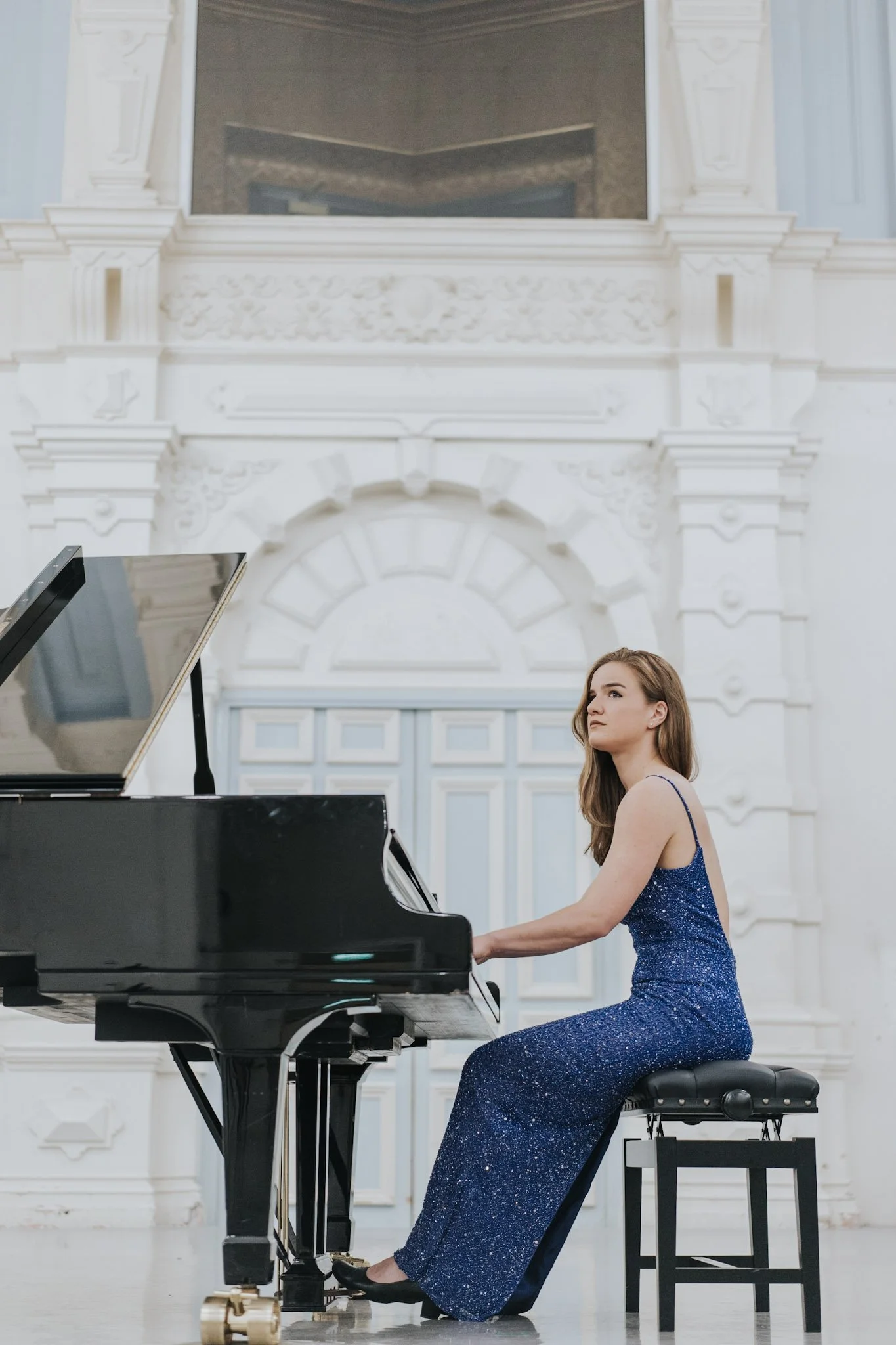
My specialty is candid, documentary-style photography, which means I excel at capturing the real you. I understand how to create a comfortable environment where you can relax and be yourself, resulting in genuine, expressive images. Having worked with numerous musicians, I am well-versed in the unique demands and aesthetics of the classical music industry. I know how to highlight the sophistication, grace, and artistry that define classical musicians. I am meticulous in my approach, ensuring that every element of your headshot – from lighting and composition to your expression and posture – is perfect. This attention to detail guarantees that your headshot will stand out and leave a lasting impression.
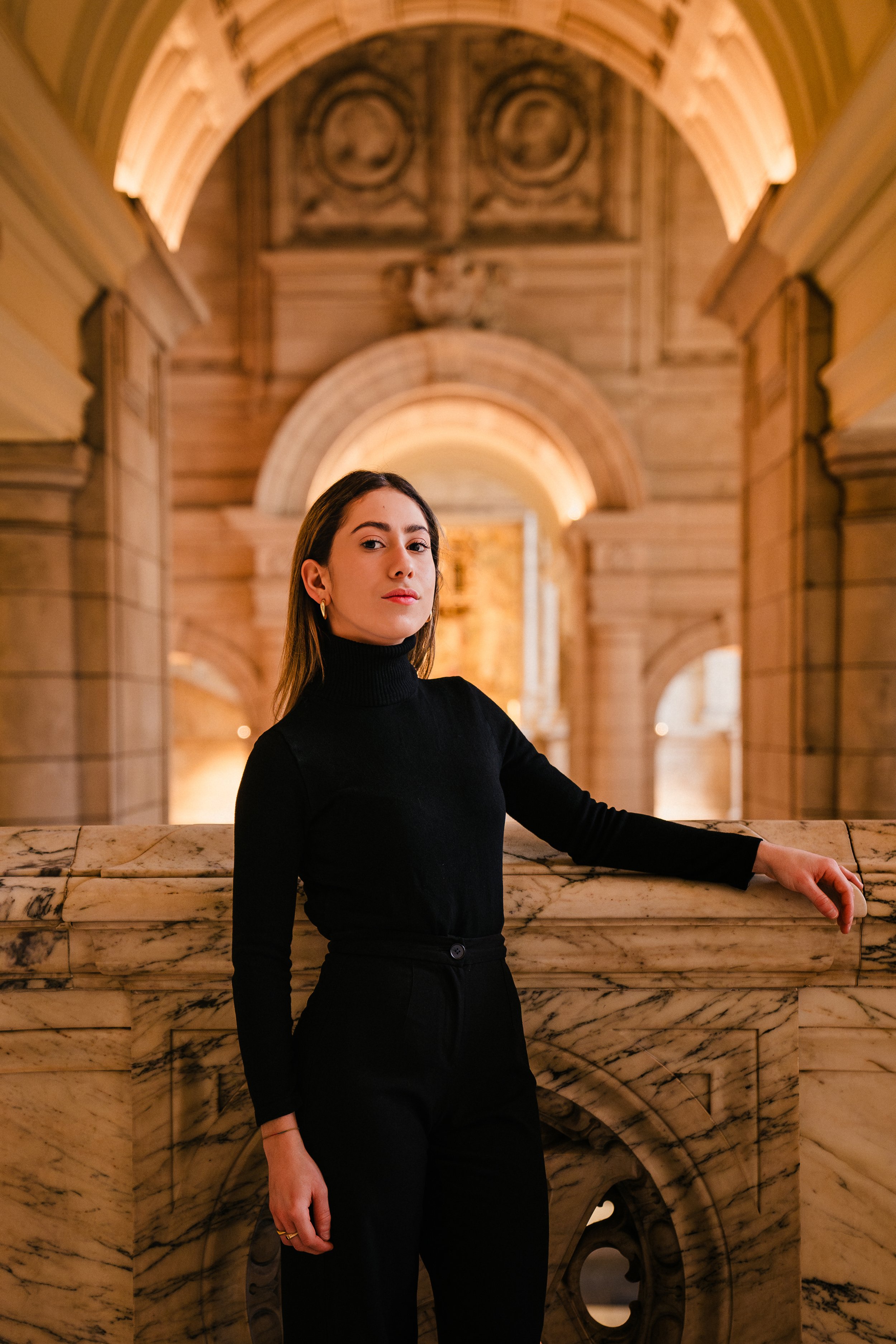
I take the time to get to know you and understand your vision. This personalized approach ensures that the final images truly reflect your individuality and artistic identity. In conclusion, a professional headshot is a vital asset for any classical musician. It’s an investment in your career, helping to establish your brand, connect with your audience, and open doors to new opportunities. With my expertise in capturing the true essence of my subjects, I’m confident that I can provide you with headshots that not only meet but exceed your expectations. Let’s work together to create stunning images that showcase the real you and set the stage for your success.
Ready to elevate your professional image? Contact me today to book your headshot session!


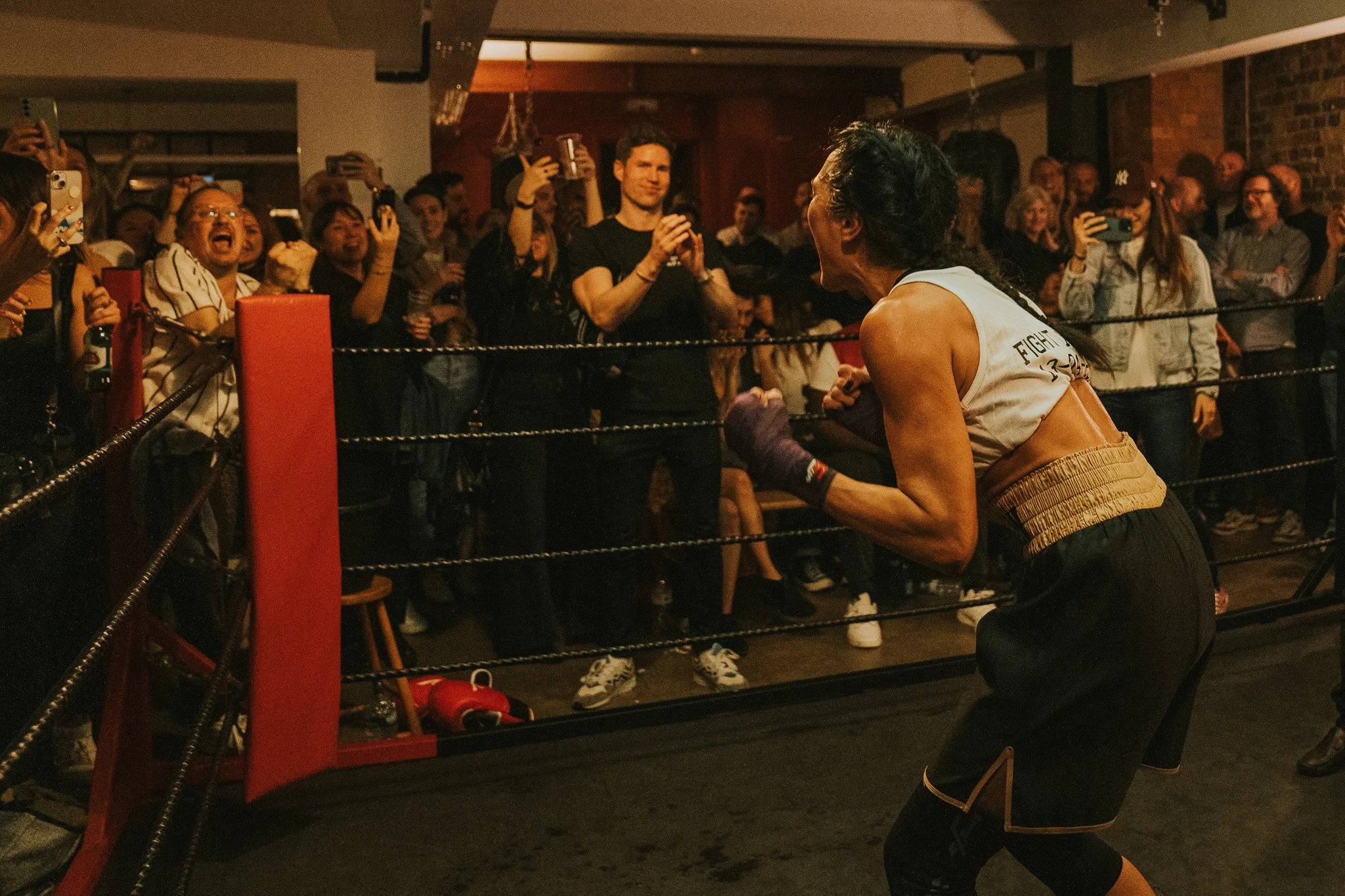
Photographing a Boxing fight night
There’s maybe nothing more cinematic than a boxing fight. And if there’s one thing I love, it’s candid, cinematic photography. So mix the both, and here’s the result!




Capture Your London holiday: Why You Need a Vacation Photographer
Hiring a professional to capture your travel experience can truly elevate your trip, especially in a city as vibrant and picturesque as London.
Elevate your Instagram game with professional photography while having more time to enjoy the beauty of London. What’s not to like?

Hiring a professional to capture your travel experience can truly elevate your trip, especially in a city as vibrant and picturesque as London. Instead of relying on selfies or asking strangers to take your photo, I ensure you get high-quality images that beautifully capture your journey. With an eye for the best lighting, angles, and settings, I create stunning photos that will showcase your vacation in the best light while seriously elevating your Instagram game.

One of the greatest benefits of having me as your vacation photographer is that you can be fully present and enjoy the moment. You don’t have to worry about capturing every sight or memorable experience yourself. With me following you around, you can immerse yourself in the sights and sounds of London, confident that all your special moments are being documented beautifully.
One of the greatest benefits of having me as your vacation photographer is that you can be fully present and enjoy the moment. You don’t have to worry about capturing every sight or memorable experience yourself. With me following you around, you can immerse yourself in the sights and sounds of London, confident that all your special moments are being captured beautifully.
After your trip, you’ll receive professionally edited photos that are ready to share and print. These polished images are perfect for framing, creating albums, or impressing your followers in your Stories, allowing you to relive your vacation for years to come. Whether you’re celebrating a honeymoon, anniversary, family reunion, or solo adventure, I ensure that these special moments are captured perfectly. These occasions deserve more than just smartphone snaps—they deserve beautiful, professional photos.

In summary, hiring me as your vacation photographer in London enriches your travel experience by allowing you to focus on enjoying your trip while ensuring that every precious moment is preserved in stunning detail. It’s an investment in memories that you’ll treasure forever, providing you with high-quality, professionally edited photos that capture the true essence of your adventure.

Why you need a photographer on your music recording session
Recording your work in a professional studio like Abbey Road Studio is more than just a milestone—it's a defining moment in a musician's career. Having a professional photographer on hand to document this experience is crucial for several reasons.

Recording your work in a professional studio like Abbey Road Studio is more than just a milestone—it's a defining moment in a musician's career. Having a professional photographer on hand to document this experience is crucial for several reasons. Firstly, it's a key moment that deserves to be immortalized. These sessions are often the culmination of years of hard work and creativity, and capturing themensures that the significance of the moment is preserved.
In today's digital age, content is king. Having a photographer at your recording session means you'll have a treasure trove of professional images to share on social media. These behind-the-scenes glimpses can generate buzz, engage your audience, and build anticipation for your upcoming release. Authentic, candid shots can convey the passion and dedication that goes into your music, making your fans feel more connected to your journey.
Additionally, the memories you'll create during these sessions are ones you'll cherish for a lifetime. Photographs allow you to look back on this pivotal time with a sense of nostalgia and pride, long after the final track has been laid down. They serve as a visual diary of your artistic process, capturing the emotions and camaraderie that define these moments.
Finally, these images can be instrumental in promoting the release of your music. Whether used in press kits, album art, or promotional campaigns, professional photographs from your recording session can enhance your marketing efforts, lending authenticity and a personal touch that resonates with both media and fans alike.
I’ve got experience shooting a wide range of recording sessions, from huge and legendary studios like Abbey Road Studios to smaller sized independent studios. My knowledge in music and recording processes also ensure I’m capturing the best shots without being in the way - which is extremely important in fast paced recording sessions.
Investing in a photographer for your recording session is not just about capturing memories—it's about creating powerful content that can propel your career forward and connect you more deeply with your audience.